Table of Content
- What legal age can children be left home alone in Ontario?
- Home alone: How young can kids safely be left on their own?
- What Are the Consequences for Leaving the Child at Home Alone Illegally?
- How Long Can Tweens and Teens Be Left Home Alone? It Depends.
- Dr. Stephanie Hanson helps parents, kids prep for this step toward independence
- Legal
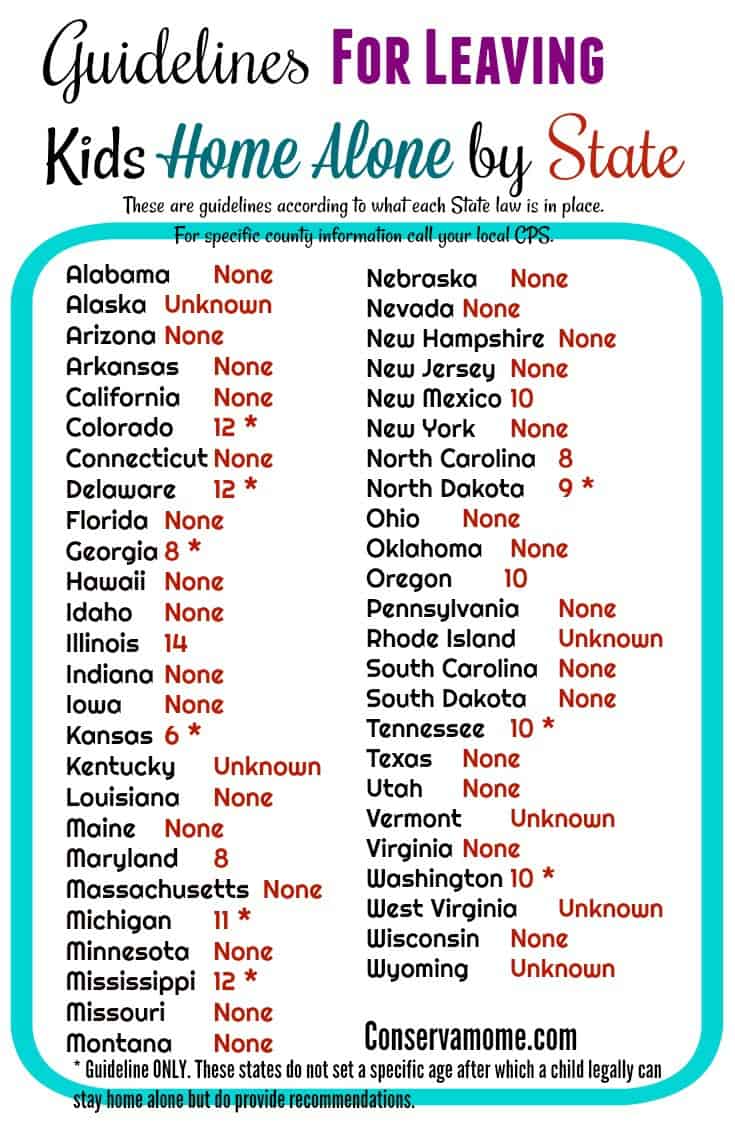
- The Legal Age to Stay Home Alone by States
Within 24 hours experienced local lawyers review it and evaluate if you have a solid case. Dr. Hanson emphasizes that parents know their children best and thus know what they may or may not be ready for. “There’s lots of ways you can determine if your child is ready for the responsibility,” said Dr. Hanson. The law does not say an age when you can leave a child on their own, but it’s an offence to leave a child alone if it places them at risk. While the law doesn’t give a lot of specifics, many government agencies provide helpful guidelines. The situation only starts getting iffy when you need to leave your underaged kids at home alone.
Howe stresses that leaving tweens and teens home alone should be paired with a structure in order to keep them in line rather than just letting them roam wild. How long babies, toddlers, preschoolers, tweens, and teens can be left alone depends on variables like temperament and distance. The true answer lies with what you and your family are comfortable doing and what your state law specifies, if you live in a state with such legislation in place.
What legal age can children be left home alone in Ontario?
Look at previous situations where they have had to use their own judgment. These types of decisions depend a lot on their character. But if it’s done correctly, experts say, this mile marker can give you and your kids some much-needed freedom and feelings of accomplishment. Most states do not have laws or guidelines about when kids can be left home alone.
A family law attorney in your jurisdiction will be able to explain the laws of your state and help you understand how to comply with them. In addition to the suggestions listed above, it's always a good idea to inform immediate neighbors that your child may be home alone on some days. Not only can a neighbor be a good resource in the event of an emergency, it can help alleviate potential calls to child protective services by unaware neighbors. Even if your child is mature enough to be home alone, you’re still responsible for their wellbeing and safety at all times. This means thatyou need to use your own judgment aboutleaving children home alone.
Home alone: How young can kids safely be left on their own?
This applies not just to leaving them home alone but also in your car while you run into the shops. Ask yourself the following questions to determine whether your child is ready to be left home alone. She advised parents to talk with their pediatrician about whether a particular child is ready to be home alone and for how long.

But the legislation also says that whether the time is unreasonable depends on all the relevant circumstances. That said, being left alone at home isn’t always a bad thing. For one, it can help them learn to be more independent, provided they’re mature enough to handle it. If you give them some simple chores to do alone, they could even start developing a sense of responsibility. Every case is going to be different, and factors like the child’s maturity level and the surrounding area’s safety need to be taken into account. If your teen is able to handle being home alone for extended periods and they're able to make it home by their curfew regularly, they may be ready to stay home alone all night.
What Are the Consequences for Leaving the Child at Home Alone Illegally?
If you have any concerns at all about a child’s safety or wellbeing, don’t hesitate to contact us. Talk to your teenager about how they feel staying home alone. Discuss and choose a designated safe house, ideally a close neighbor, to run to when in danger. This is a major factor to consider as there is a big difference between leaving your child for an hour compared to the whole day. Do you have a backup adult to contact in case of an emergency?
This should ideally be a nearby neighbor that can get to your house very quickly if need be. Clinical Psychologist, Juazel de Villiers advises that generally, a child should not be left home alone before the age of 10. Also consider that your child might be legally old enough, or older than 10, but not mature enough to be left home alone yet.
Childminders take care of children in their own home for a range of ages – unlike babysitters who’ll come to your house. You can find a registered Childminder in Wales or England on GOV.UK, in Scotland on SCMA, or on NI Direct in Northern Ireland. Think carefully about whether your child needs adult supervision, in case something goes wrong and they need support. Talk to your older child before leaving them in charge.

Try leaving them together for a short period of time, while you're still close by, and build this up over time. Make sure to list the emergency services as well in case they need help urgently. Are there any activities that could be dangerous without an adult in the house? Some activities – like cooking, climbing furniture, lighting candles – might not be safe without an adult at home. You don't have to say who you are if you don't want to.
If you have a child with disabilities, your local council has a duty to provide help and support. This includes short break services, holiday play schemes, care at home and financial help. As you build up to leaving your child alone for longer stretches, keep checking in and making sure they're comfortable.

Only a few states have laws that clearly state the minimum age at which you can leave your children home alone. Most states allow the parents to make the final decision. Children in primary school aged 6-12 are usually too young to walk home from school alone, babysit or cook for themselves without adult supervision. If you need to leave them home, it's worth considering leaving them at a friend's house, with family or finding some suitable childcare. For 12-year-olds, the number jumped from 11 percent to 64 percent.
10- to 11-year-olds can be left alone for longer periods of time, but not overnight or as a babysitter for younger children. Dr. Hanson also suggests having your child babysit for a family member or a neighbor before someone they don’t know as well. This way, your child can develop their skills in an environment where they feel comfortable. Children may be ready to stay home alone when they show certain signs of responsibility, like getting home from school safely and knowing what to do in emergencies. That question is never an easy one to answer, but the law in your state does provide guidance. Because your child's safety is of paramount importance, speak with a legal expert who can provide you with a clear answer.
Don’t worry we won’t send you spam or share your email address with anyone. Use your judgement on how mature your child is before you decide to leave them alone, for example at home or in a car. There’s no one law in Australia that says how old your child has to be before you can leave them alone. Verywell Family uses only high-quality sources, including peer-reviewed studies, to support the facts within our articles. Read our editorial process to learn more about how we fact-check and keep our content accurate, reliable, and trustworthy.
The amount of time babies can be left alone in a secure, safe area, has less to do with the actual duration, and more to do with a baby’s temperament. A child with a cautious temperament may need parents to stick closer to them than an adventurous baby might. A less mature elementary-age child perhaps should not spend time alone until closer to age 10. Becoming familiar with your state’s law is important, as there can be serious legal repercussions for leaving kids alone before the law deems them ready. Curiously, some states have laws that specify the age kids need to reach before they can stay home alone .
For the most part, however, parents struggle to be caring and responsible, even when under great stress. The following questions help parents make sensible decisions about their children's welfare and whereabouts when school is not in session. For parents, leaving a child home alone can be a difficult decision. However, some situations arise where it can become necessary. Therefore, if you are planning to leave your child home alone you need to ensure that it is legal to do so. There are guidelines determined by each state to help avoid any safety concerns once leaving your child home alone.




No comments:
Post a Comment